
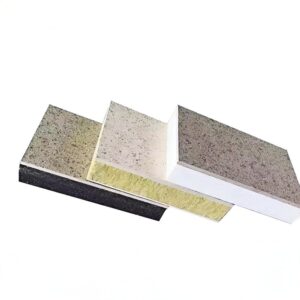
Many companies look at one number when choosing sandwich panels: the price per square meter. That is the most dangerous habit. Sandwich panels are one of those products where a low price often means something has been hidden. The zinc coating weight on the steel sheets, the core density, the adhesive quality, the precision of the accessories—these will not appear on a rough quotation, but they will reveal themselves after project delivery in the form of leaks, deformation, and fire hazards.
When top international suppliers evaluate a project, the first thing they confirm is not the price, but whether the specifications are on the same baseline. If you compare Supplier A’s 50mm EPS panel with Supplier B’s 50mm rock wool panel, the price difference is meaningless.
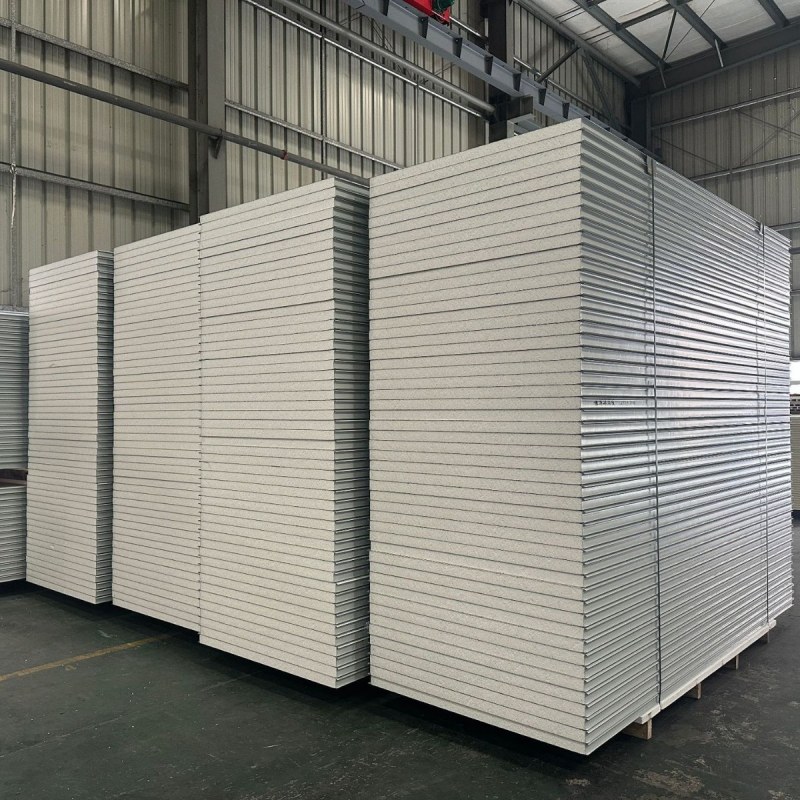
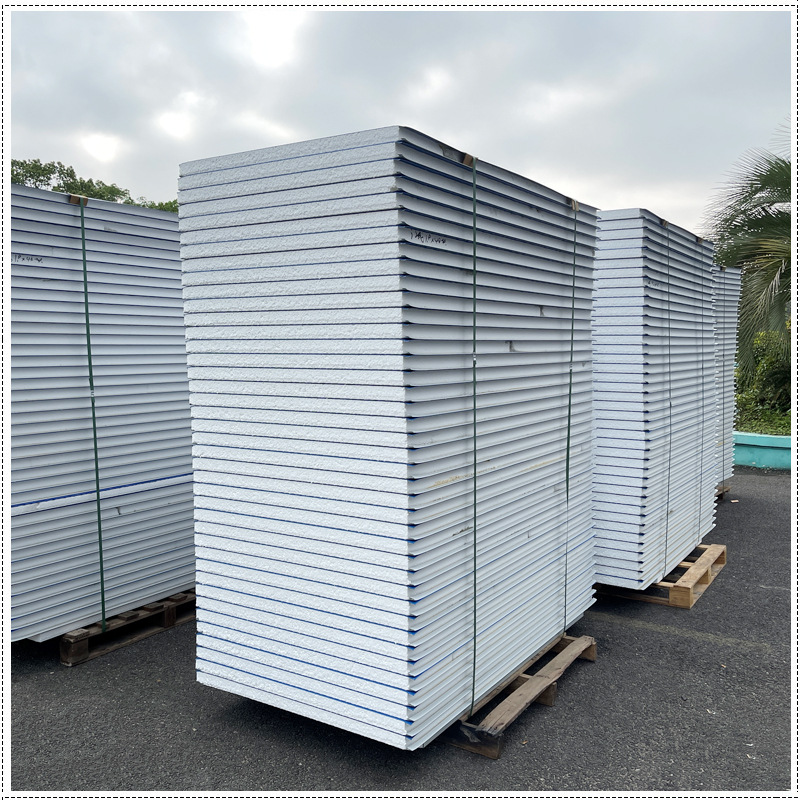
Core Material: Ask “Where Will It Be Used” First, Then “How Much”
Core material defines fire safety, insulation value and service life. Never select purely on price.
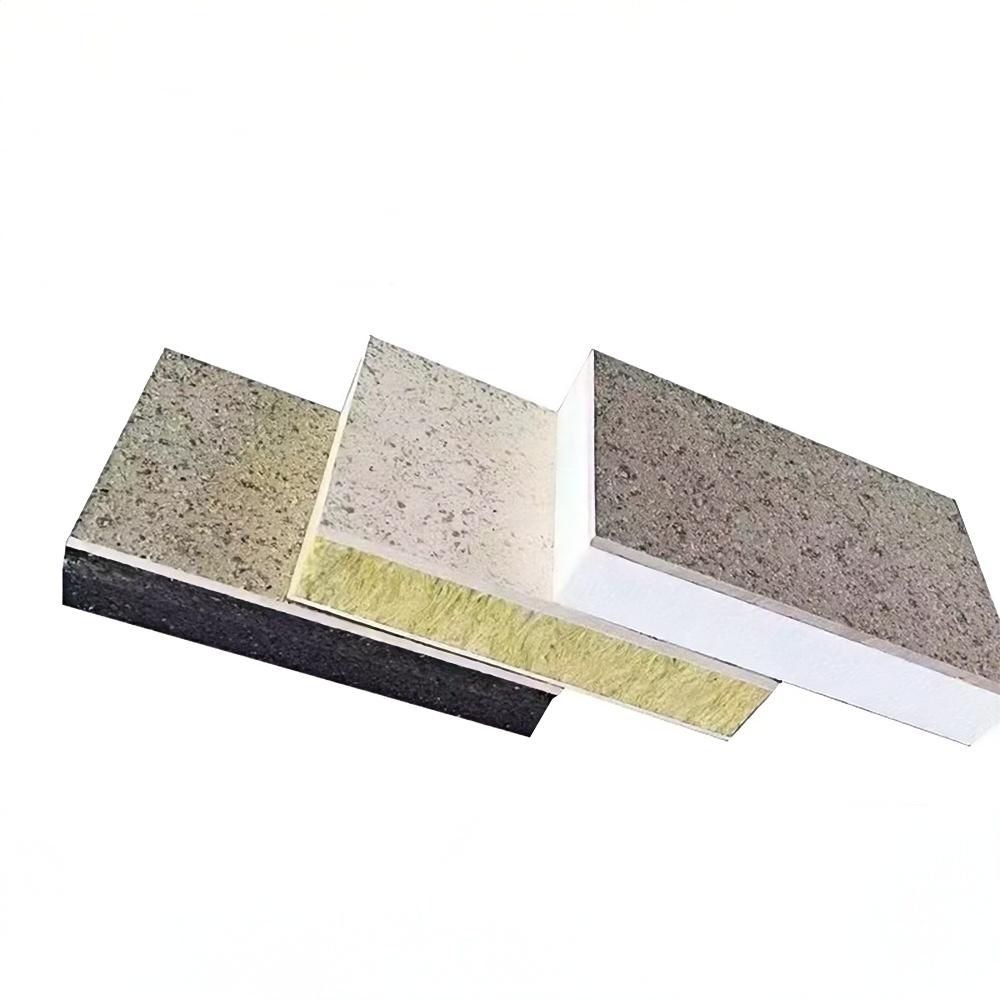
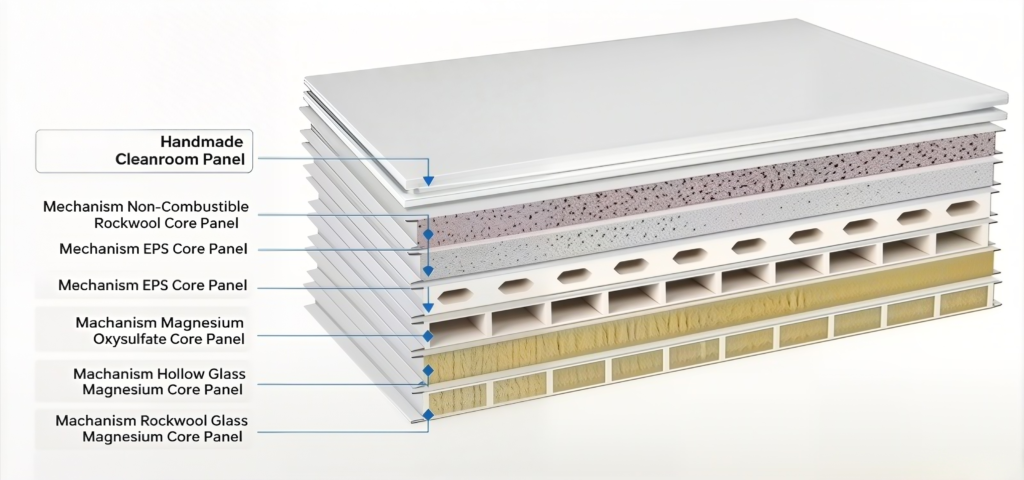
For high‑regulation sites like pharmaceutical clean rooms, food plants and public buildings, stick to Class A non‑combustible options: rock wool, magnesium oxysulfate or phenolic foam.
For cold storage and temperature‑controlled facilities, polyurethane delivers the lowest thermal conductivity and best long‑term energy savings.
For temporary warehouses and low‑code enclosures, EPS works as a budget choice — but never use it for projects with strict fire or hygiene requirements. This is the single most common mistake that triggers full project tear‑out and rework.
Lock in hidden specs most quotes omit
Most quotations only list thickness and width. Always confirm these details in writing before you order, or you will likely receive downgraded material:
Verify the actual metal skin thickness, not the nominal figure. Thin steel facings bow, dent and corrode early. For coastal or humid locations, specify corrosion‑resistant coated steel.
Check core density. Low‑density rock wool sags over time, especially on ceiling panels that support HVAC or lighting fixtures. Clarify the joint system. Loose‑fitting joints cause thermal leakage, energy waste and dust buildup — a dealbreaker for GMP‑rated clean rooms.
Price out full accessory sets. Corner trims, door frames, window profiles and seals can add 15–25% to total cost. Many suppliers quote panels only, then hit you with surprise add‑on costs later.
Only trust product‑specific certifications, not brochure claims
Badges listed on brochures can serve as an initial reference point for compliance screening. To ensure your project meets local regulatory requirements, always verify that suppliers hold valid third‑party test reports for the exact product variant you plan to order.
ISO 9001 is the basic quality baseline. For European projects, require EN 14509 structural certification and EN 13501 fire reaction reports. For North American projects, look for UL and FM listings.
One critical rule: the certificate must match the exact core material and thickness you are ordering. A general “product family” certificate will not pass official inspections. If a supplier cannot provide batch‑matched test reports, it is a sign to proceed with additional caution.
Hidden Traps in Quotations
The lowest unit price almost never equals the lowest total project cost. Low‑quality panels bring hidden costs: rework labor, higher energy bills, failed inspections and early replacement.
Always balance fire safety, insulation performance, accessory completeness and service support against price. A small upfront premium almost always saves far more in problems down the line.
Delivery Capability: Ask “Actual Lead Time,” Not “Fastest Lead Time”
Clarify lead time definitions upfront. Make sure you and the supplier align on what “lead time” means: distinguish between factory production days, port‑to‑port shipping time, and total delivered time to your site. Many quotes only list production cycle and omit transit and customs clearance time, which can add 3–6 weeks for ocean freight.
Guangxi Huaying Intercontinental Trading Co., Ltd. supplies a full range of mechanism and handmade sandwich panels for clean room, cold storage, industrial and modular construction projects globally. We provide full test reports, custom sizing, matched accessories, transparent lead times and complete installation documentation. Contact our team for a project‑specific quote and technical consultation.
(Kind reminder: all illustrations in this post are for reference only; actual product appearance depends on the specific manufacturer.)